
Harness Movement for Holistic Healing through Movement
- Nige Parsons
- 3 days ago
- 4 min read
Movement is more than just physical activity. It’s a powerful tool for healing your body, mind, and spirit. When you tap into the natural rhythms of your body, you unlock a path to holistic wellness that goes beyond the gym or the yoga mat. I want to share with you how embracing movement can transform your health, reduce stress, and help you reclaim your vitality.
Why Healing Through Movement Matters
Have you ever noticed how sitting still for too long makes you feel stiff, tired, or even anxious? Our bodies are designed to move. Movement is the language your body speaks to maintain balance and health. When you engage in healing through movement, you’re not just exercising—you’re nurturing your entire system.
Think of your body as a finely tuned instrument. When it’s in tune, everything flows smoothly. But when it’s out of sync, pain, tension, and fatigue creep in. Movement helps you retune that instrument. It improves circulation, releases tension, and stimulates your nervous system in ways that promote healing.
For example, gentle stretching can ease muscle tightness, while dynamic movements like calisthenics build strength and resilience. Even simple practices like walking or mindful breathing can reset your nervous system and calm your mind. The key is to listen to your body and move in ways that feel good and supportive.
Can You Release Trauma Through Movement?
Trauma isn’t just stored in your mind—it’s held in your body too. This is why traditional talk therapy sometimes feels incomplete. Movement offers a unique way to access and release these deep-seated tensions.
When you move, you activate your body’s natural ability to process and discharge stress. Techniques like somatic movement, dance therapy, or even slow, intentional yoga can help you reconnect with your body and release trapped emotions. It’s like shaking off a heavy coat you’ve been carrying for years.
For instance, rhythmic movements can stimulate the vagus nerve, which plays a crucial role in calming your nervous system. This can reduce feelings of anxiety and hypervigilance. By moving mindfully, you create a safe space for your body to heal itself, step by step.
Practical Ways to Harness Movement for Holistic Healing
So, how do you start? Here are some practical tips to integrate movement into your daily routine for holistic healing:
Start Small and Consistent
You don’t need to overhaul your life overnight. Begin with 5-10 minutes of gentle movement each day. This could be stretching, walking, or simple bodyweight exercises.
Focus on Breath and Awareness
Movement paired with mindful breathing enhances relaxation and nervous system regulation. Try inhaling deeply as you stretch and exhaling as you release tension.
Explore Different Modalities
Experiment with yoga, tai chi, dance, or calisthenics. Each offers unique benefits and can help you find what resonates with your body and mind.
Create a Movement Ritual
Dedicate a specific time each day for your movement practice. Consistency builds habit and deepens the healing effect.
Listen to Your Body
Pay attention to how different movements make you feel. Avoid pushing into pain or discomfort. Healing is about gentle progress, not perfection.
By incorporating these steps, you’re not just moving—you’re using movement to heal the body in a way that supports your whole self.
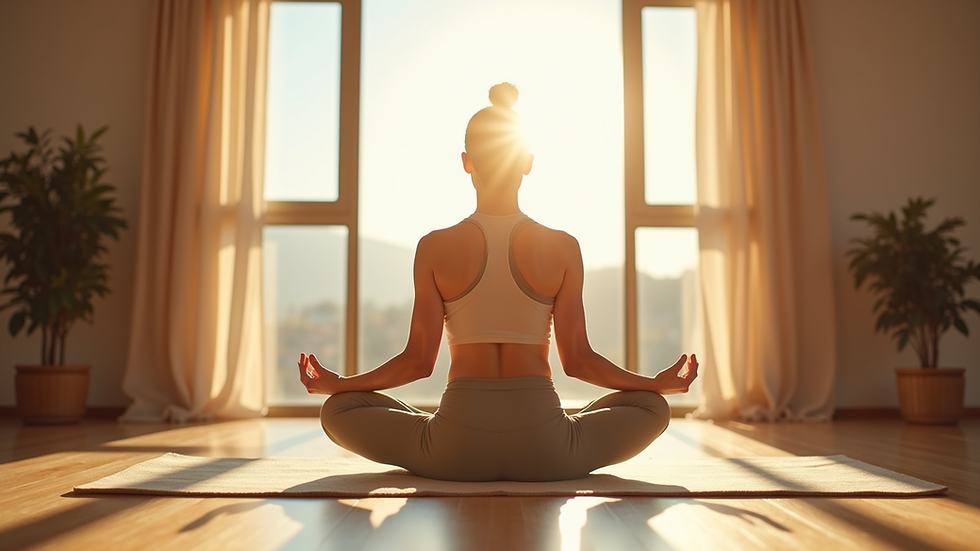
Movement as Medicine: The Science Behind It
You might wonder, what’s the science behind this? Movement influences your body on multiple levels:
Nervous System Regulation: Movement activates the parasympathetic nervous system, which helps you relax and recover from stress.
Hormonal Balance: Physical activity releases endorphins and serotonin, natural mood lifters that reduce anxiety and depression.
Improved Circulation: Movement increases blood flow, delivering oxygen and nutrients to tissues and removing toxins.
Neuroplasticity: Engaging in new movement patterns can rewire your brain, improving coordination, balance, and mental clarity.
These effects combine to create a powerful healing environment inside your body. When you move with intention, you’re not just burning calories—you’re training your biology to thrive.
Building a Sustainable Movement Practice
The biggest challenge is often sticking with it. Here’s how to build a sustainable movement practice that fits your life:
Set Realistic Goals: Aim for progress, not perfection. Celebrate small wins.
Find a Community: Join groups or classes that inspire you. Connection fuels motivation.
Mix It Up: Keep your practice fresh by trying new movements or routines.
Track Your Progress: Use a journal or app to note how you feel before and after movement.
Prioritize Recovery: Rest and nutrition are part of the healing equation.
Remember, this is a journey. Your body will thank you for the care and attention you give it.

Your Next Step: Embrace Movement as Your Medicine
Now that you understand the power of movement for holistic healing, it’s time to take action. Whether you’re an athlete seeking to optimize performance or someone overwhelmed by stress, movement offers a path to reclaim your health and vitality.
Start today by moving in a way that feels good. Explore different styles, listen deeply to your body, and make movement a non-negotiable part of your life. Remember, healing is not a destination but a continuous dance between your body and mind.
If you want to dive deeper, consider exploring resources on using movement to heal the body. This approach can transform how you experience health and wellness, making movement your most powerful medicine.
Your body is waiting. Will you answer the call?

Comments